




























Influencer marketing strategies are my obsession right now, and I’m typing this from my tiny Brooklyn apartment, surrounded by crushed LaCroix cans and the annoying buzz of a neon taco sign outside my window. Like, okay, I’m kinda hooked on how influencers can make a brand pop off in 2025, but I’ve also totally screwed this up more times than I wanna admit. My place smells like burnt coffee from my Keurig going into overdrive, and my cat’s staring at me like I owe her treats. This ain’t no fancy marketing blog—it’s just me, a slightly unhinged dude in the US, spilling the tea on what works, what tanks, and why I’m still learning. I’ve got some embarassing stories (yep, spelled that wrong, oops), a few “oh crap” moments, and tips I swear by, so let’s dive in, yeah?
Why Influencer Marketing Strategies Are Such a Vibe in 2025
Influencer campaigns are everywhere. Scroll X or TikTok for, like, two seconds, and you’re hit with some micro-influencer hyping a new face cream or a fitness bro pushing protein shakes. I got suckered into buying a $40 candle once ‘cause some Insta girl swore it was “life-changing.” Yeah, it smelled like a gas station bathroom. But that’s the power of social media influencers in 2025—they’re selling trust, not just stuff. I read on Influencer Marketing Hub that this industry’s gonna hit $24 billion by 2025. That’s nuts, right? Let’s get to the good stuff.

My 10 Influencer Marketing Strategies (Plus Some Cringe-y Flops)
Here’s the real talk—my 10 influencer marketing strategies that actually work in 2025, straight from my own messy experiments. I’m no expert, just a guy who’s spent too many nights in pajamas, refreshing X analytics and hoping I didn’t mess up too bad.
1. Micro-Influencers Are the Real MVPs
Big influencers? Overrated. I learned this the hard way when I blew my buddy’s hot sauce budget on a “famous” influencer. Total flop—no one cared. Then I found this local foodie with, like, 12K followers who made a sloppy taco video with the sauce. Sales jumped 35% in a week. HubSpot says micro-influencers get 7% more engagement than the big shots. Go small, fam.
2. Keep It Real with Influencer Partnerships
Nobody likes fake vibes. I once pushed an influencer to post a super slick ad for a fitness app I was working on. Looked like a car commercial—nobody cared. Then she posted a sweaty, messy gym selfie, saying she hates lunges but loves the app’s reminders. Engagement went wild. People want real, raw stuff in 2025, not perfect nonsense.
3. Let Content Creators Do Their Thing
I used to be that annoying guy sending influencers a script like I knew better. Cringe. Last summer, I worked with a travel vlogger for a hotel campaign, and I was like, “Fine, do you.” She threw in this random bit about sneaking fries from the hotel kitchen at 2 a.m. It blew up on X. Let creators create—they know their people.
4. Short-Form Video Is King
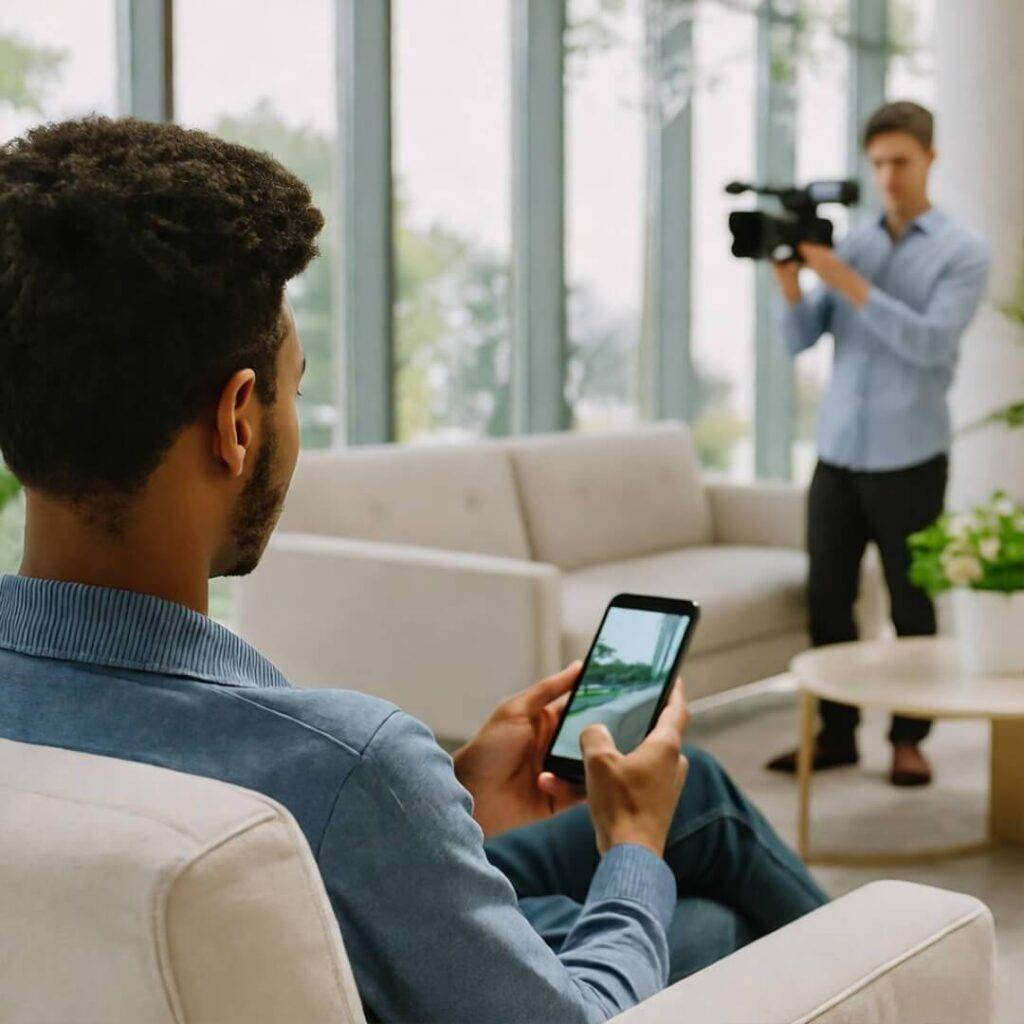
Long YouTube videos? Dead. I tried one for a client’s eco water bottle, and it tanked harder than my attempt at yoga. Switched to a 10-second TikTok of the influencer hiking with the bottle—views went nuts. Attention spans are tiny in 2025, so keep it quick, yo.
5. Data’s Your Bestie for Picking Influencers
I’m a nerd, so I love numbers. I once picked an influencer just ‘cause they had tons of followers—dumb move. Half their audience was bots. Now I use HypeAuditor to check real engagement and who their followers are. It’s like swiping right but checking their vibes first.
6. Stories Beat Sales Pitches
Hard sells suck. I made an influencer list every feature of a tech gadget I was pushing. Felt like a bad infomercial. When she switched to a story about how the gadget saved her on a crazy work trip, people were hooked. Stories stick, dude.
7. Mix Up Your Influencer Crew
I used to stick to one type—like gym bros for a fitness brand. Boring. Then I tried a gamer, a lifestyle blogger, even a knitting influencer (don’t judge). The knitting lady’s post about cozy gym socks got more love than the bros. Mix it up in 2025 or you’re toast.
8. Niche Communities Are Gold
Niche is the new cool. I worked on a vegan skincare campaign and hit up a vegan cooking influencer on X. Her followers went feral, and the product sold out in two days. Find those weird, hyper-specific internet corners—they’re ready to spend.
9. Be Super Transparent
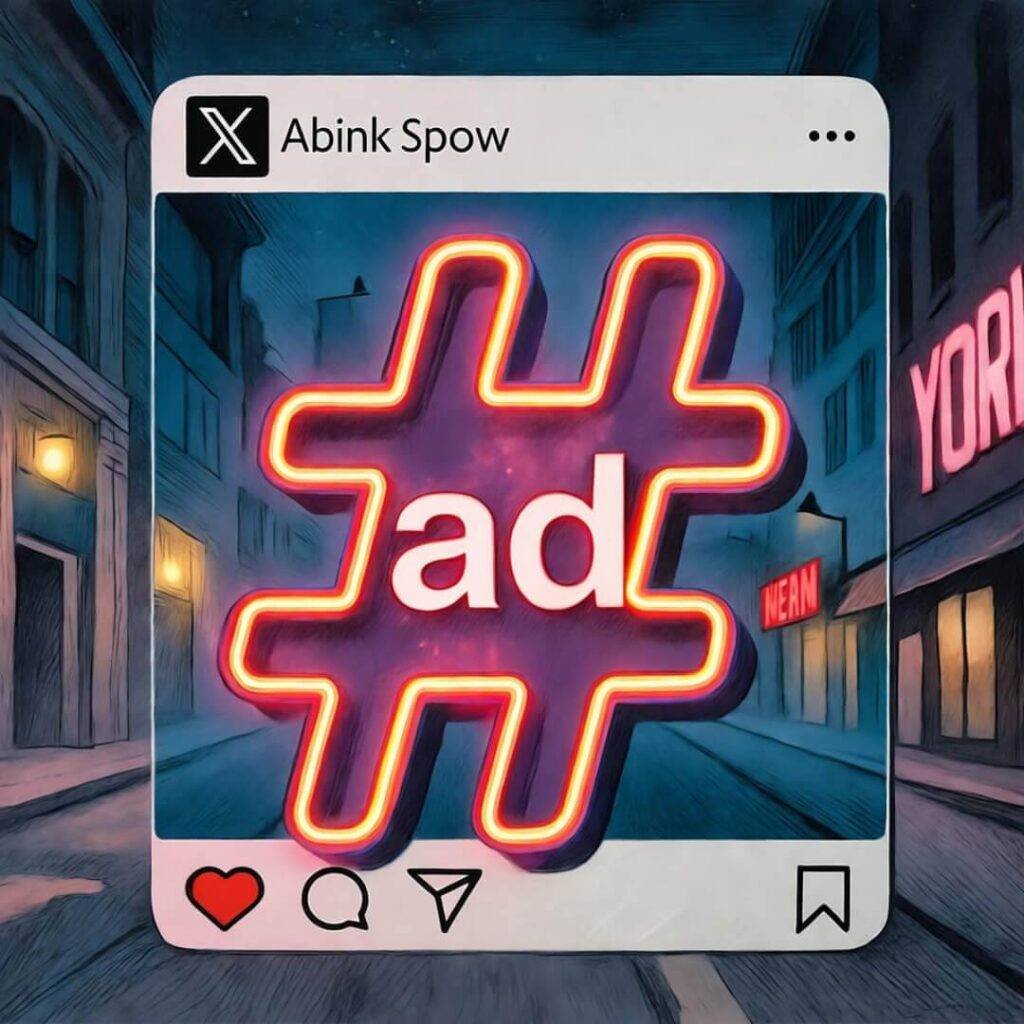
I got roasted when an influencer forgot to say a post was sponsored. X comments were a nightmare—angry emojis, “sellout” vibes. Now I’m like, “Put #ad or #sponsored in neon lights!” The FTC’s watching in 2025, and fans smell BS a mile away.
10. Track, Tweak, Try Again
I’m not perfect—my first campaign? Didn’t even track sales. Rookie move. Now I’m glued to metrics—clicks, conversions, comment vibes. Tools like Sprout Social help me see what’s fire and what’s a mess. Keep tweaking, y’all.
Wrapping Up My Influencer Marketing Rant
Okay, my cat’s asleep on my keyboard, my LaCroix’s gone, and I’m wiped. Influencer marketing strategies in 2025 are a wild ride—part gut, part data, and a lotta screw-ups. I’ve spilled my wins, my flops, and all the messy bits ‘cause I want you to know it’s okay to mess up. Don’t buy $40 candles just ‘cause an influencer says so, alright? Got a campaign you’re hyped about? Hit me up on X—let’s swap stories.